
Disclaimer: This post may contain affiliate links. As an Amazon Associate, I earn from qualifying purchases.
Achoo! Do you have severe allergies too? Well, despite that, I still manage to travel with them.
They’re not fun to have while exploring the outdoors, but they haven’t stopped me. From taking medicines to timing the seasoning, I get it done.
I’lI tell you about my severe allergies, how I treat them, and how I survive on the road with them!
Disclaimer: This post is based on my personal experiences and is not medical advice. I am not a doctor. Please consult with your healthcare provider for any questions about your specific allergies or health conditions.
My History of Allergies
I was born with a lot of allergies: seasonal, environmental, food, and animals. Shall I stay positive and say, “blessed with allergies?”
It could be worse, right? Throughout the years, I’ve just had to accept and deal with them.
Whenever I get allergy tested, I react to just about everything on the list. Yeah, some people have it like that.
I also react to things that aren’t on the list. And I might react one day and not the other. Nice.
It’s good to have awareness of what sets your body off. That way, you’ll know how to prepare yourself if you get exposed.
Well, let’s dive in and see the extensive list. I’m not telling you this to cry about how overreactive and sensitive my body is, but so you know the full extent. And I still manage to travel despite this!
Environmental
I have really bad allergies to trees, pollen, weeds, grass, flowers, dust, and mold. Of course, hanging out outdoors and van camping make these worse. I think dust bothers most people without allergies.
Tobacco smoke and wildfire smoke bother me too. I know these bother many people, but they make me sneeze and feel unwell.
Animals
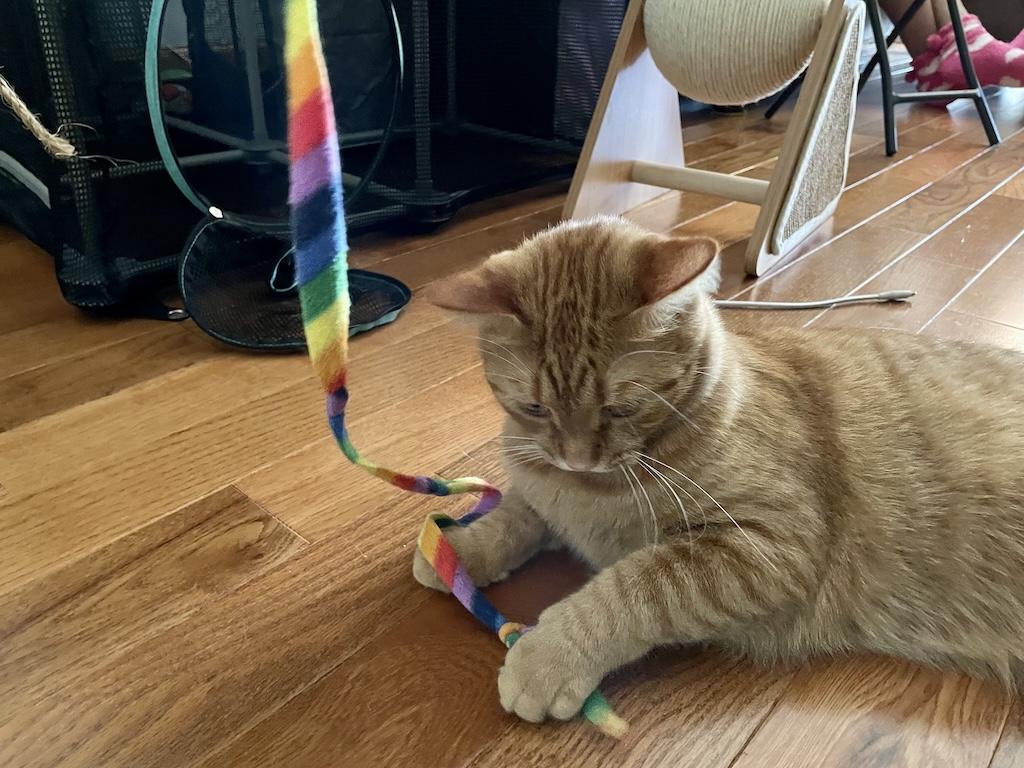
Cats, dogs, horses, and basically any animal with fur or hair can put me in a sneezing frenzy. Some furry friends bother me more than others.
Insects
I attract mosquitoes like crazy, and their bites make me itch and swell up really badly. Anytime we go somewhere, I’m always the person who gets bitten up the worst.
When bees and wasps sting me, I swell up and itch too. Once I got stung by multiple wasps… ugh!
On my allergy test, it showed I was allergic to cockroaches. Don’t worry, I stay far away from them.
Foods
I have oral allergy syndrome (OAS), where my body mistakes foods with certain pollens. So if I eat fresh fruit and veggies, I can get an itchy throat, swelling, and bumps in my mouth.
I can’t do soy, some gluten grains, peanuts, melons, bananas, chocolate, some beans, and some herbs, including chamomile. These can give me digestive issues and hives.
During spring allergy season, I can’t eat nuts, but other times of the year I can eat them. Strange, right?
Fabrics
I react to some synthetic fabrics with dark dyes, and yet I still manage to sew with allergies. Yup, I’m all into DIY.
I also get itchy with some natural fabrics, such as wool, silk, and especially down pillows and blankets might set me off.
Cosmetics
I’m allergic to many sunscreens and body creams. Aloe and vitamin E make me break out in a rash. I’ve tested both individually, and they both irritate me.
Perfumes
Anything with perfume or fragrance will make me sneeze. So if I go around anyone who takes a bath in perfume, I’ll get a headache, followed by a major sneezing fit.
How I Treat My Allergies

I’ve been on allergy shots just about my whole life. For the most part, they work, but once I get cured of one allergy, I develop another one. I guess that’s just the way my body works.
So why not take medicines? Well, I do take some and can tolerate ones that aren’t so strong. Many allergy medicines make me incredibly drowsy.
All the nasal sprays make my nose bleed. So, I can use meds and be like a zombie during the trip, or just suffer. There has to be a balance.
Sometimes I do have to take the stronger meds when my symptoms are very bad. I carry an Epi-Pen for emergencies.
My allergist has given me great information about minimizing exposure, which meds to take, and a plan for lessening my symptoms. I’ve been getting better over time.
Traveling with Seasonal Allergies

Because of my environmental allergies, I react at different times of the year. In California, we have tree pollens in the winter and spring, grasses growing in the spring and summer, and ragweed in the fall.
My allergies to trees are the worst, so I avoid exposure and traveling outdoors in the winter and spring. The allergy treatments have helped, but have not cured my tree pollen allergy.
So traveling when pollens are flying doesn’t make sense for me. I’m always sneezing, coughing, itching, and miserable.
When it comes to seasonal allergies, timing is everything. I know that I can’t go van camping during peak season, so we must stay in a hotel.
Before going anywhere, I look up the pollen counts to see how high they are. If they’re in the red zone, then I stay away.
Just because allergy season is over in your area, it doesn’t mean it is where you’ll travel to. Keep that in mind.
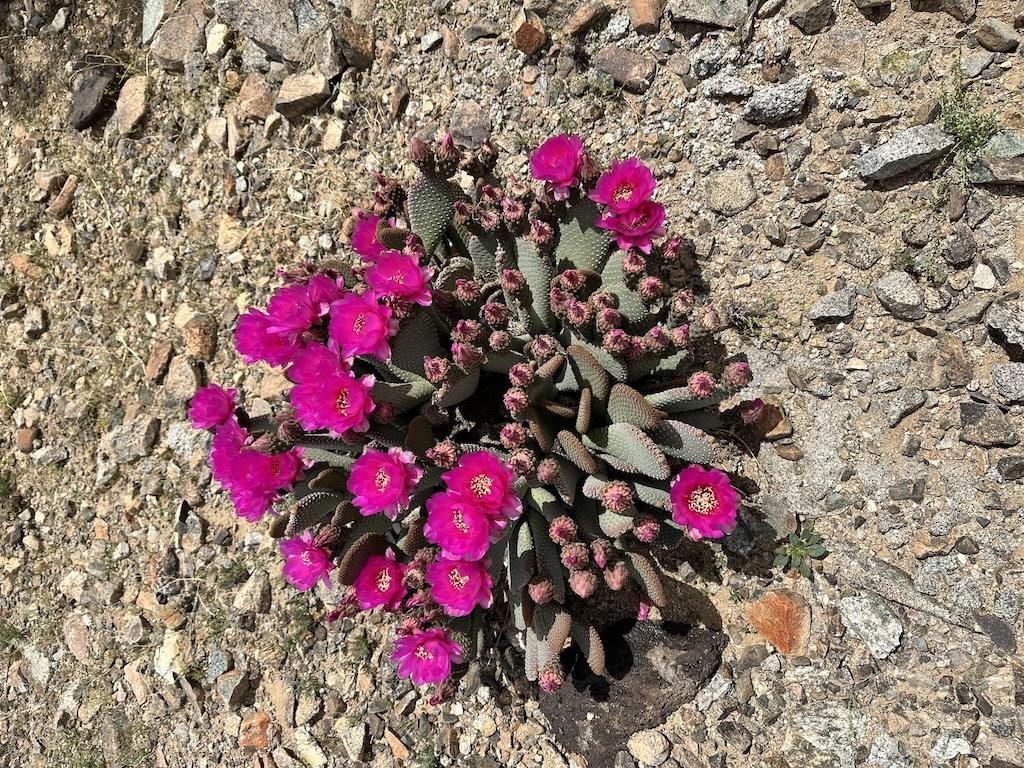
One time, we visited Death Valley National Park at the end of spring when I thought the spring allergy season was over. After we arrived, my allergies flared up badly. Turns out, it was prime pollen season for those beautiful desert flowers.

Another time, we traveled to Yellowstone National Park in the summertime. I never have bad allergies in July, but when we arrived, my allergies got awful.
We forgot that basically, it was springtime in Yellowstone due to the long winter. Pollen was flying everywhere, and I didn’t come prepared with all my meds!
These two times I wore a surgical mask outside, and it did help some. But once my reaction starts, it basically takes an act of God to stop it.
Staying in Hotels and Cabins
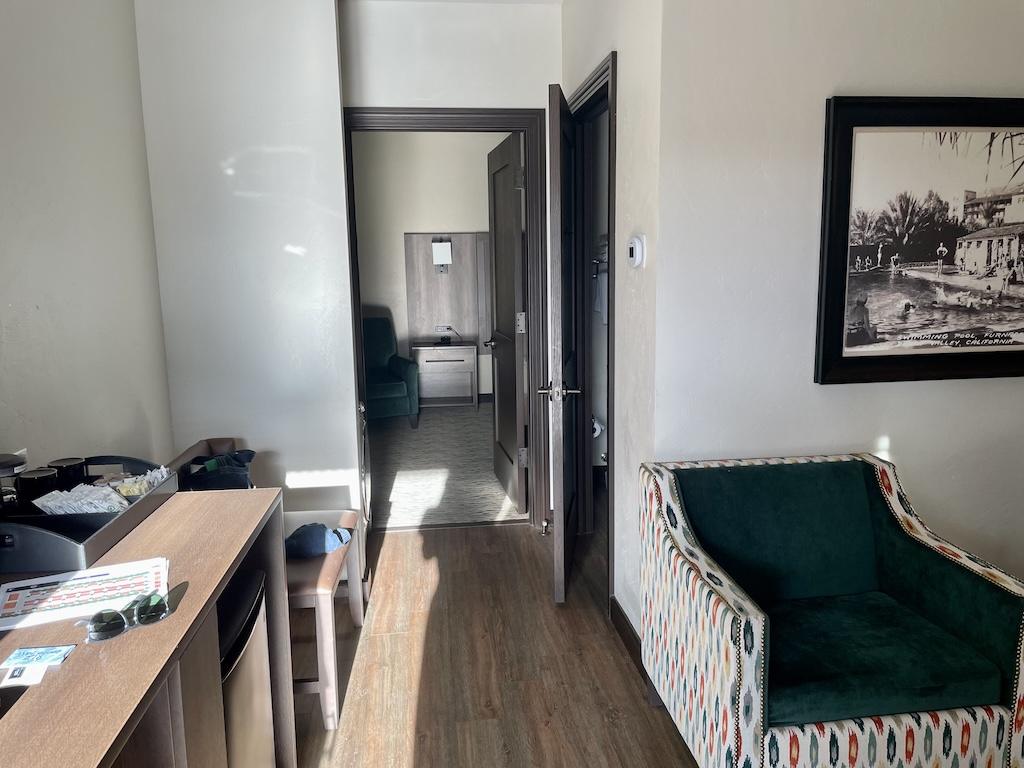
When we stay in hotels and cabins, they can have offenders that can irritate me. This includes dust in the carpet and on furnishings.
We request smoke-free, pet-free rooms. That way, there hopefully won’t be any residual smoke, dander, or animal hair.
I found that most hotels will automatically put down pillows on the bed. I’d love to use them because they have a soft, comfortable feel.
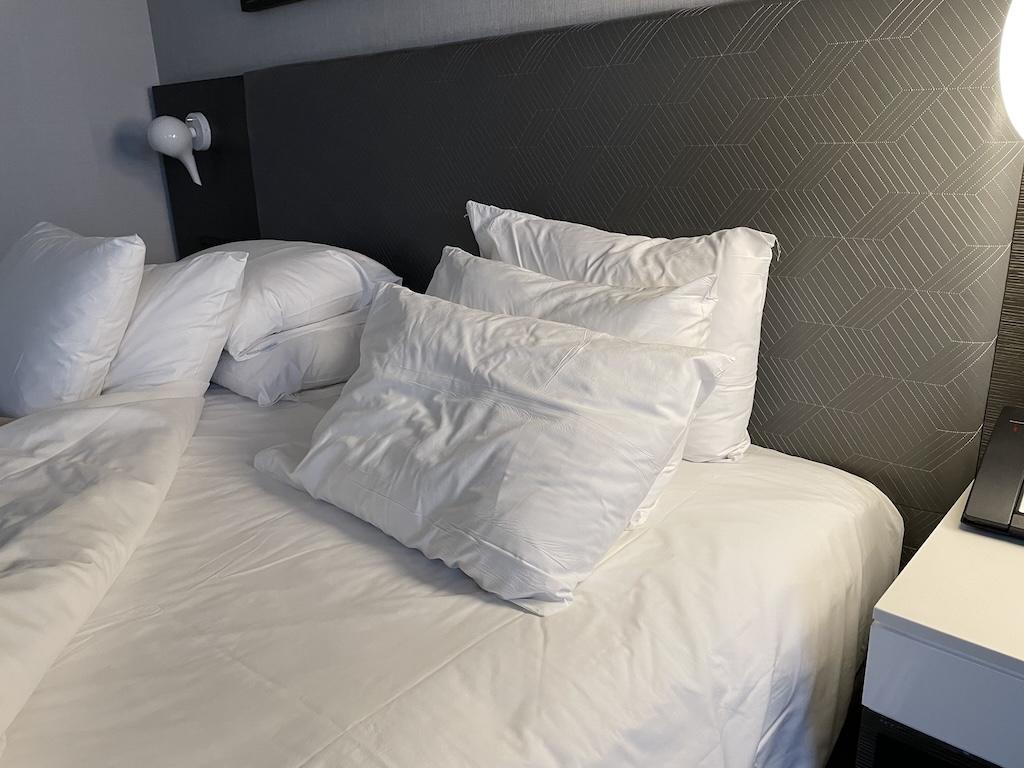
But they’ll make my eyes swell and cause me grief. So, I always ask for a synthetic pillow or foam pillow and blanket. Most hotels will have this, but you have to ask for it.
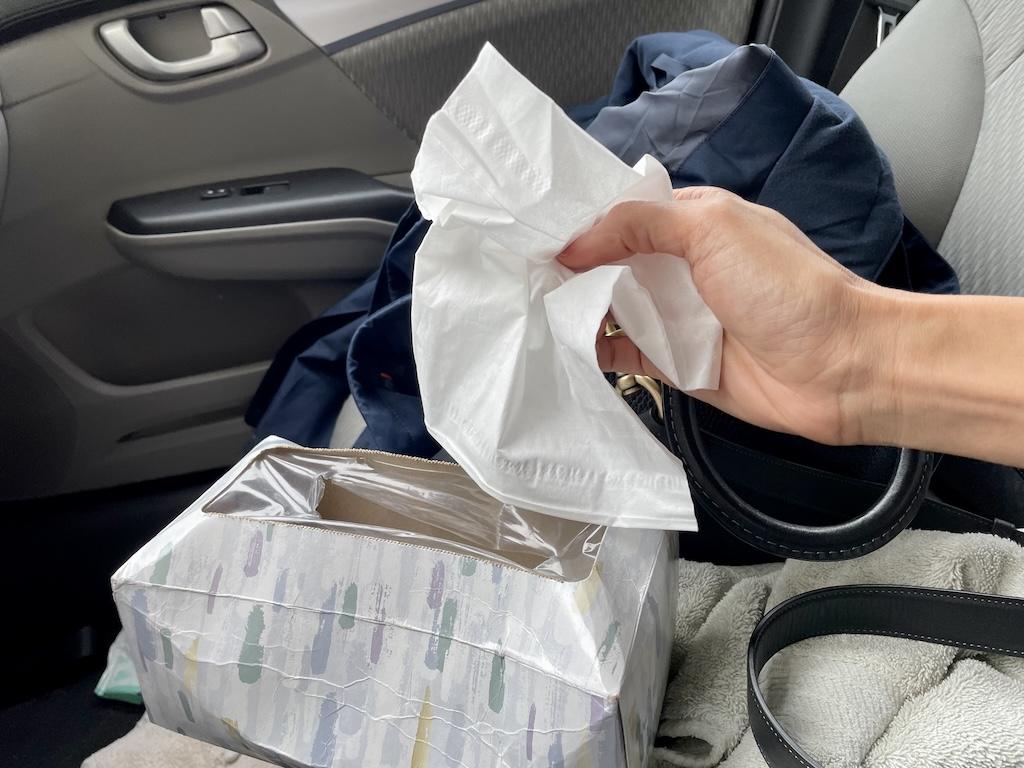
The tissues they supply in the hotels are usually thin and hard, so I bring my own soft tissues. My nose gets pretty raw when I have a bad allergic reaction, and the last thing I need is to use rough paper on it.
I avoid using the lotions and shampoos that the hotel provides and bring my own non-scented items. Fragrances set me off, especially the cheaper kinds.
Dining Out with Allergies
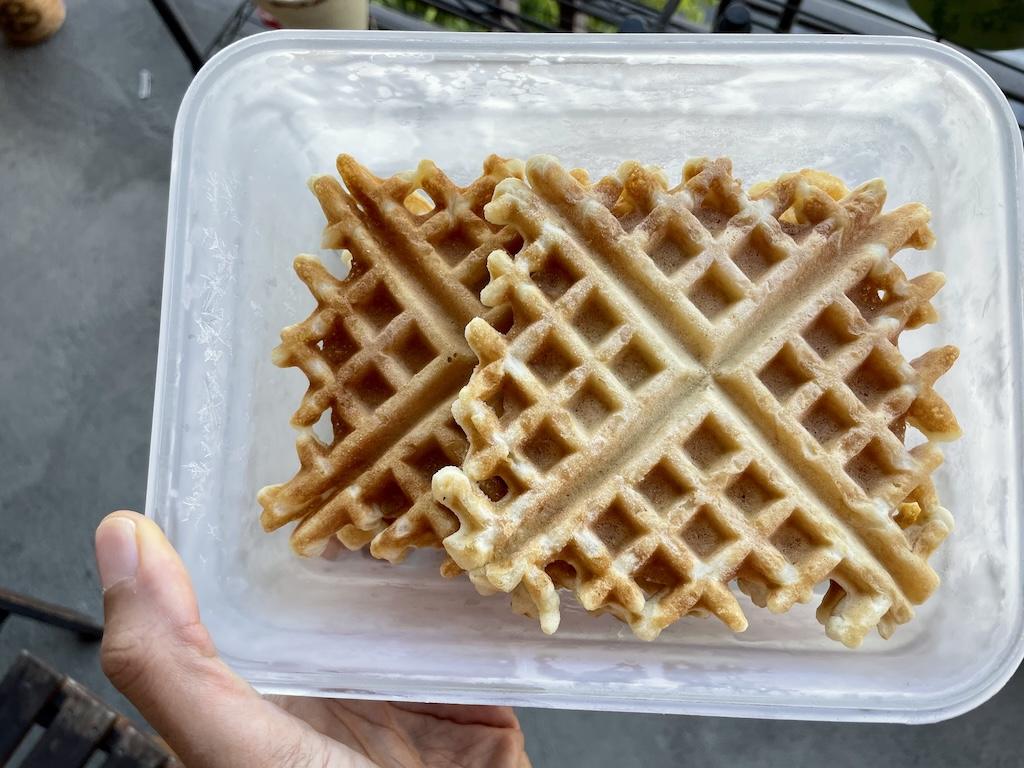
As far as eating on the road, I prefer to eat my own food. I plan ahead and bring snacks. If I have time, I may make gluten-free goods and freeze them.
That is why I like traveling in the camper van because we can cook our own meals. We have a refrigerator and can store everything we need.
For eating out, I have my list of restaurants with food I can eat. If we go to a new place, I ask. Just know that people working in restaurants aren’t always familiar with food allergies.
Many restaurants have menus with labels on the food with gluten or other allergens. Not all restaurants do this though, and I proceed with caution.

Many chain restaurants have customer service numbers, and I have called or emailed the corporate office and asked for the ingredient lists.
Yeah, it’s a hassle, but I’ve been traveling with allergies for my whole life. It’s not easy, but I’m used to it. When in doubt, I don’t eat it.
When flying with food allergies, you might let them know ahead of time. I think most flights don’t even give out peanuts anymore.
A couple of times, I checked beforehand and the flights had a “gluten-free” option for dining, but on the flight they told me they “ran out.” I’ve learned to book my meal ahead of time and tell the flight attendant early on so they can set aside a meal.
Notes
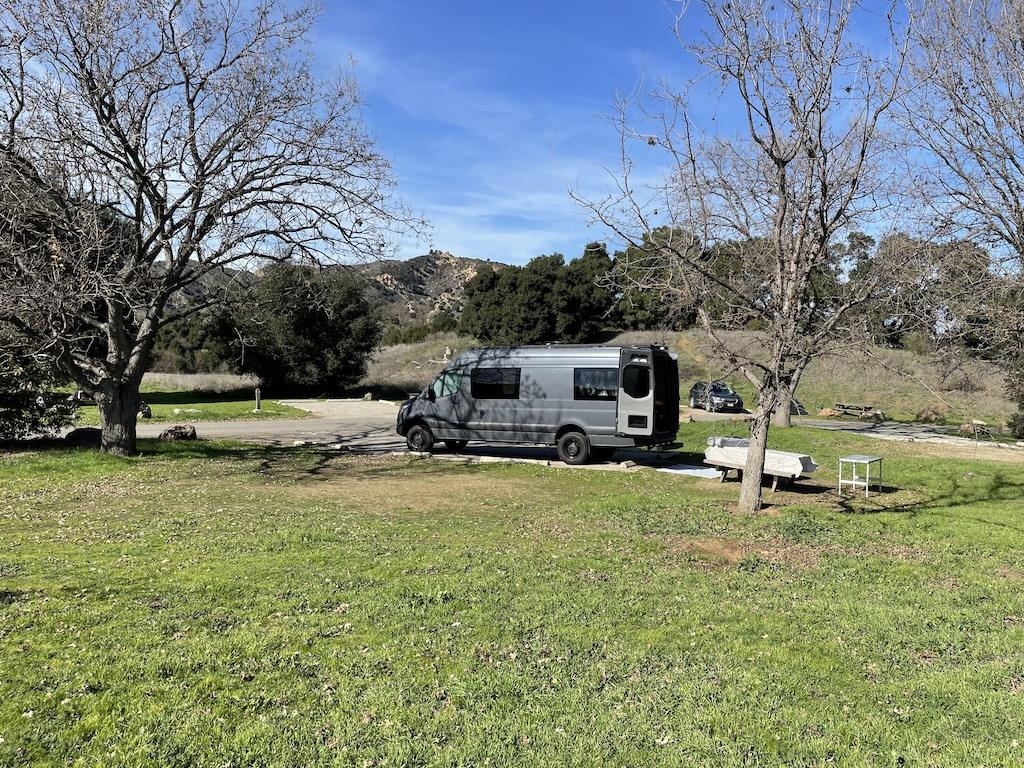
I minimize reactions by taking precautions ahead of time. If it’s peak allergy season, I avoid outdoor travel because being outside just makes my allergies worse.
If I know I can’t avoid an exposure, I’ll take my allergy medicines ahead of time.
Talking to my allergist has really helped me understand exactly what I’m allergic to and other similar proteins.
I’ve learned to pack all my allergy meds, even though I don’t think I’ll need them. When my allergies flared up out in the middle of nowhere, I really wished I had them. For me, reactions can happen at any time!
Overall
Having bad allergies is annoying, but they won’t stop me from seeing the world. Over the years, I’ve learned how to manage them much better.
Of course, it’d be easier to travel if I didn’t have them in the first place. But that’s just a part of who I am, and I’ve just come to embrace it!
Read More
- I had a bad hotel stay in the Midwest that was not allergy approved!
- I’ll share how I handle and prevent getting sick while traveling.
- Find out the reasons I’ve used to take time off work to travel.
Originally published: August 27, 2025


