
Disclaimer: This post may contain affiliate links. As an Amazon Associate, I earn from qualifying purchases.
If you’re looking to start van life, there are some things you’ll want to know before starting. I wish I had known these from the beginning.
Knowing where to park overnight, learning maintenance, and making reservations are just some of the things. Doing research ahead of time might save you some headaches.
Hopefully you can avoid making my mistakes by knowing the following!
1. Learn the Features & Maintenance

Whether you do your own van build or buy yours complete, you’ll want to know basic maintenance. Read all about the features of your van.
If you buy it used, try to find the original instructions. There might be some features that throw you off guard.
Know the basics, like how to check the oil and top off the other fluids. Your van could use diesel, so use the right fuel.
Some people rent or drive these vans for the first time, get on the road, and don’t even know how to fill the tank.
Going on long trips, sometimes the nearest service station can be over 100 miles away. And just think about the fact that when you travel with a big rig, not all places may service your vehicle.
You’ll want to bring basic tools, engine oil, and coolant in case you need them. Knowing how to do a little maintenance can go a long way.
2. Research Where You’ll Go
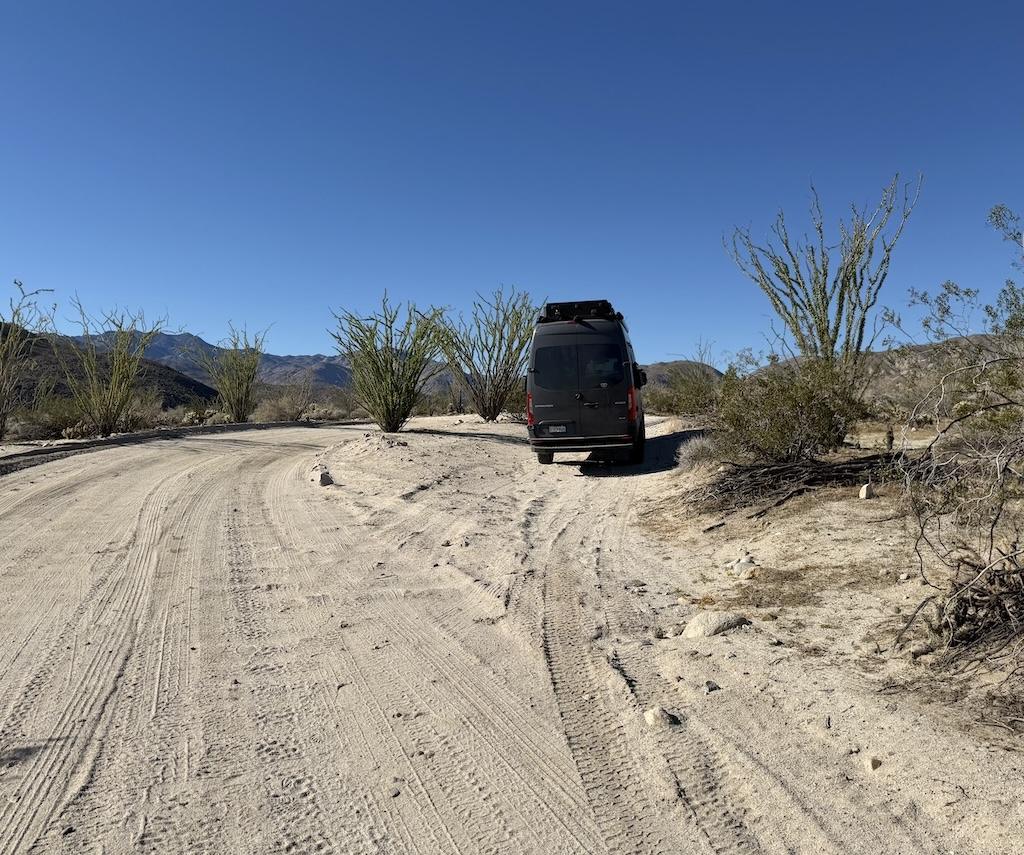
It’s always good to research where you’re going. I like to be spontaneous, and it’s fun traveling this way.
But it’s good to know about the lay of the land. I’ve gone out in the middle of nowhere to find rugged terrain.
Sometimes you just hope your rig can handle it. But you’ll have to think about wildlife or other dangers out there.
These are things to know so you can prepare yourself. When I have misgivings about a place, I head somewhere else.
It’s always good to read firsthand experiences from people who have actually traveled where you want to go. Although all experiences may vary, you’ll at least know what to expect.
3. Know Where to Park Overnight

Where I live, you can’t park and sleep overnight wherever you want. And this is a misconception people may have about van life.
That’s what makes traveling in a van difficult. It’s not easy to find somewhere to sleep, and some people are shocked to hear that.
Rest stops and side streets may limit overnight parking. Camping reservations aren’t always available.
Walmart, Bass Pro, and Cracker Barrel may not be around or may not allow it.
Searching the internet doesn’t always yield updated information. I’ve learned how difficult it can be.
California is particularly difficult because of all the people who live in their vehicles. But some other states tend to have fewer restrictions.
4. Plan a Short Trip First

My first trip in the van was a short road trip. You’ll want to try it out first before going on a long trip.
I went to the beach, which was 30 minutes away, and spent the day there. On the next trip, I went 2 hours away to the desert.
Learn from the short trips first. Finding parking and camping won’t always come easily.
There were things I forgot to pack and prepare. And the good thing is that I wasn’t too far from home.
Take short trips to get used to living and sleeping in a van. And if you don’t have one, you’ll need to find a bathroom on the road.
Build up to the long trips. Obstacles on short trips prepared me for the bigger ones later on.
5. Leave Early, Arrive Early

On one of my first trips, I went to Anza-Borrego Desert State Park, arriving in the evening.
The winding roads to the campground blended into the blackness like a noir painting. There were no streetlights, and no cars passing by on the way.
When you’re in an unfamiliar place, it’s best to get there during the day. That way, you can see the area.
The Anza-Borrego Desert is also a dark sky park. Let’s just say it’s extra dark at night.
It was hard to see the camping spots. Using the extra-bright headlights might annoy other campers.
So, aim to arrive way before sundown. That way, you can find your way around more easily.
6. Make Reservations
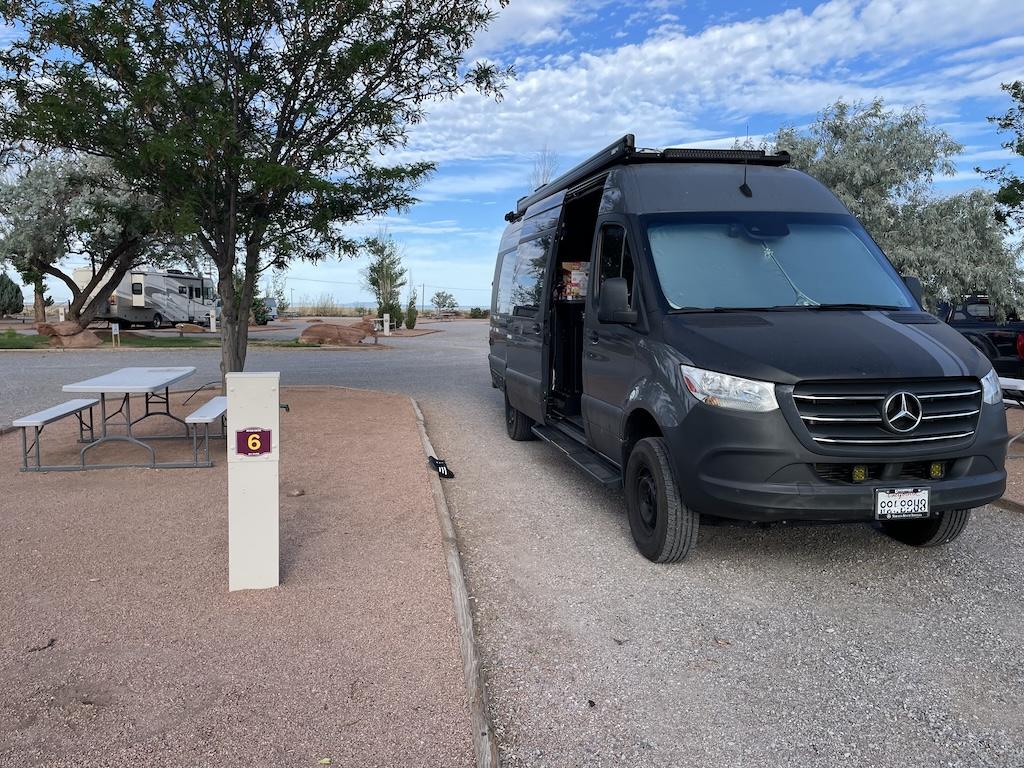
That brings me to my next point to make a reservation if you can. I’ve arrived at too many campgrounds without one.
In states like California and popular national parks, you’ll need to book in advance. Or you could end up like me on a Yellowstone trip, searching at the last minute.
In the beginning, I thought it’d be easy to stay anywhere and find camping spots easily. I was so naive to think this.
When I camped as a child, it was always first-come, first-serve. That’s not the case anymore, at least in California.
Grabbing the last spot in the campground on my first trip was luck. Many spots had reserved signs on them.
Just like when planning to stay in a hotel, you should check ahead for openings.
Imagine arriving at the campground, and all the spots were taken. It’d be cumbersome to find somewhere else to stay in the dark.
The water and electricity in the van weren’t hooked up at that time. Not to mention, there wasn’t a bathroom, so staying at the campground was ideal!
7. Give Yourself Enough Time

This is one of those tips I can’t stress enough. Things can go awry on the road.
A big issue is traffic. On one trip, I planned to be back in California by the early afternoon.
But on the I-15, traffic was backed up for miles. There was a bad car accident in Utah. Then Nevada had the usual weekend traffic from Las Vegas.
It took over twice the time to get back. Mind you, in the heat too.
So always allow yourself extra time. I also like to take breaks, eat, and sightsee along the way, which takes time.
8. Carry Paper Maps
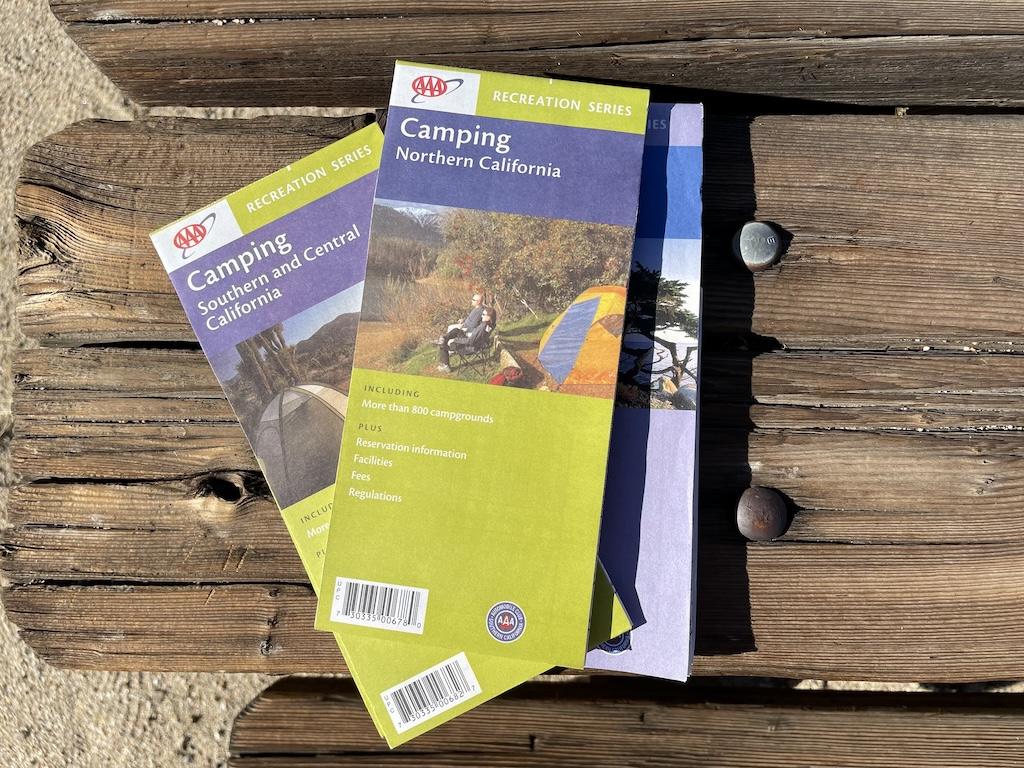
I had access to Starlink (internet access) while traveling in the camper van. This might not always be the case.
Despite having service in most places, I still carry paper maps. I like to might bring an old-school map of the US and the places I travel through.
Do you know how many times I’ve been on the road and had no phone or internet signal? Many times.
That’s why I keep paper maps in whatever vehicle I’m in. And actually, I’m used to this.
I grew up reading maps, so I’m accustomed to them. With my AAA membership, I get them for free.
Don’t solely rely on the internet. You’re not always going to have service, especially out in the middle of nowhere.
9. Bring Enough Food and Water

Whether you plan on taking a road trip or going off the grid, bring food and water. It’s good to stock up when you find grocery stores on main roads.
I’ve traveled through the desert a lot. Even in the winter, it can be deadly hot.
Always bring extra drinking water. Every chance you get, try to fill up on water if you have a tank.
And as far as food, I like to stop at the grocery store before reaching the destination. A small refrigerator or cooler comes in handy.
Think about keeping freeze-dried food and snacks in your van. In case you get stranded somewhere, there’s food and water to last a few days.
10. Prepare for the Weather

I’ve learned from traveling that the weather can change quickly. I always prepare for the worst.
The weather in California can change drastically within a few miles when going from the ocean to inland. And it can change a lot when driving from state to state.
I took a trip through the West, and it was pleasant in California. Nevada was boiling hot. In Utah, it was freezing cold and snowing.
On my trips, I have worn shorts one day only to need a winter coat the next. I bring extra blankets and clothes for all conditions.
Sweatshirts, hoodies, and flannels are easy pieces to layer when it’s cold. They’re easy to take off when it’s warm.
11. Be Aware of Your Surroundings

I’ve slept in quite a few places that weren’t campgrounds. Wherever you end up, you’ll want to be aware of your surroundings.
When the sun goes down, sometimes it’s difficult to see what is out there. Take note of other people hanging around.
It might be a good idea to let friends and family know exactly where you are staying. Be vigilant when camping in the middle of nowhere.
Try to park under a light in parking lots and on the street. If you don’t feel right about a place, you might want to go where you feel safe.
12. Be Able to Protect Yourself

Think about how you’ll protect yourself on the road. When camping, you’re bound to run into other humans and wildlife.
Most of the time, they aren’t threatening. What will you do if they are?
I always carry a weapon and spray in my vehicle. Having security cameras to see what’s going on outside is a good idea.
I don’t want to scare you. Most people have good intentions out there.
However, there are people with bad intentions in the world. And you have to think about protecting yourself if you run into one of them.
The police and rangers might not be able to help you. And if you venture far off the grid, the nearest station might be miles away.
13. Carry a First Aid Kit
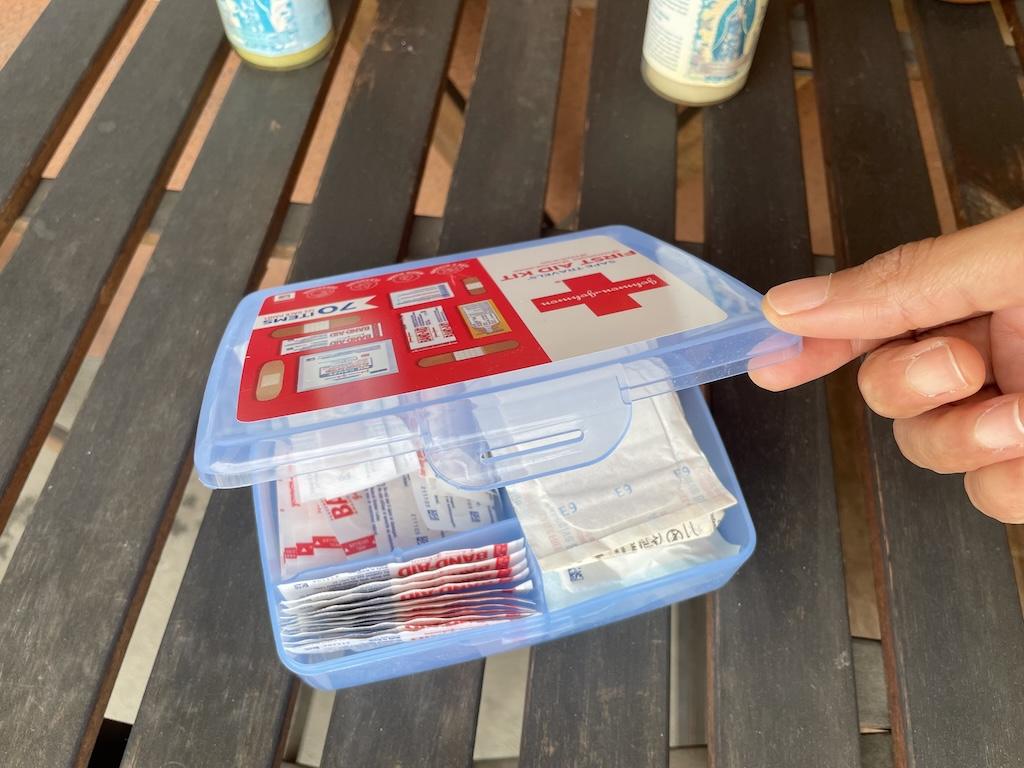
In the great outdoors, you can bet on injuries happening. So it’s a good idea to carry a first aid kit.
If you plan on hiking and doing other activities, you might want to learn some first aid. I took classes on treating common injuries.
You’ll want bandages, wraps, and the means to make a splint. And you might bring medication in case you get sick.
For example, I have really bad allergies, so I carry an EpiPen and other medicines.
A first aid kit really comes in handy, and I’m prone to getting cuts and bruises.
14. Have an Emergency Plan
Along with your first aid kit, you’ll want an emergency plan. What would you do when tragedy strikes?
What if you’re out in the middle of nowhere and someone gets hurt or lost? With no cell phone signal?
Have a plan if someone breaks into your vehicle and steals everything. No phone, no money, no keys.
Would you run away if you were threatened? Where would you hide? How would people find you?
You’ll have to think about these things.
I knew someone from my hiking group who always went solo off the grid. He went deep into the backcountry, but carried a personal locator so people back home knew where he was. Good idea!
15. Keep a Notebook Handy
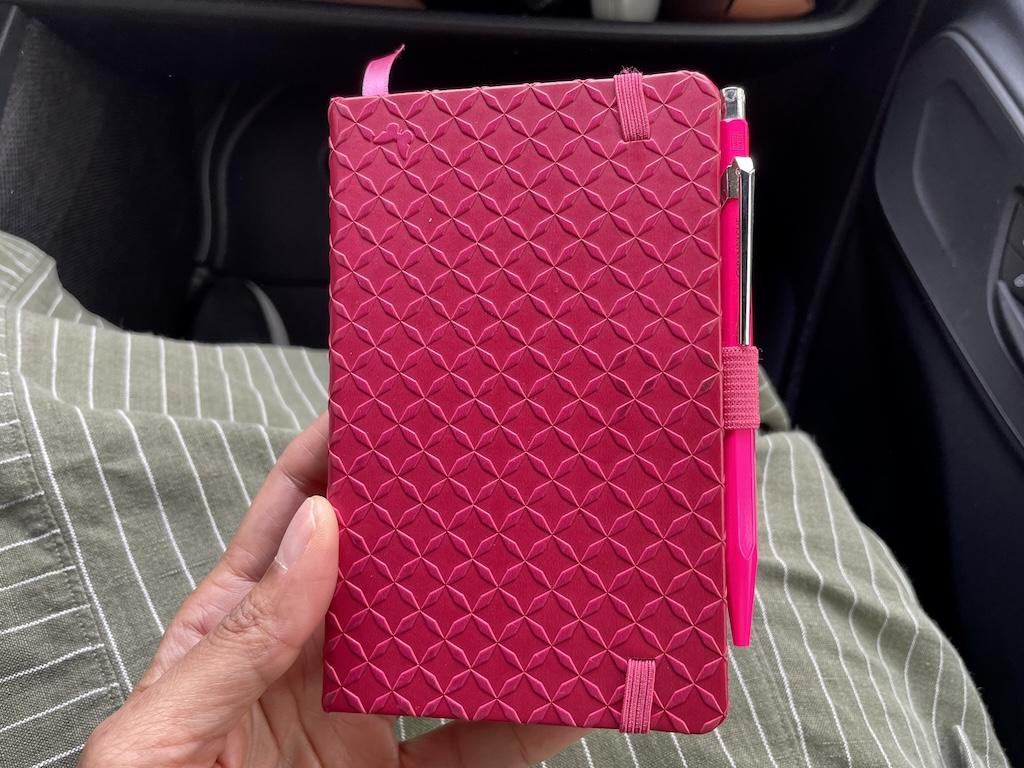
On adventures, I always jot down notes. I may pass places that I’d like to explore on another trip.
There might be a campground I want to stay at again. Or find places I never ever want to see again.
Having a notebook or means to write down ideas comes in handy.
You might have a memory like an elephant. But when I travel, I like to write stuff down and take pictures.
And notes come in handy if you’d like to document your trips later. You’ll never know, one day you might start a travel blog like I did!

Read More
